Human Rights on Trial After Another Church Attack

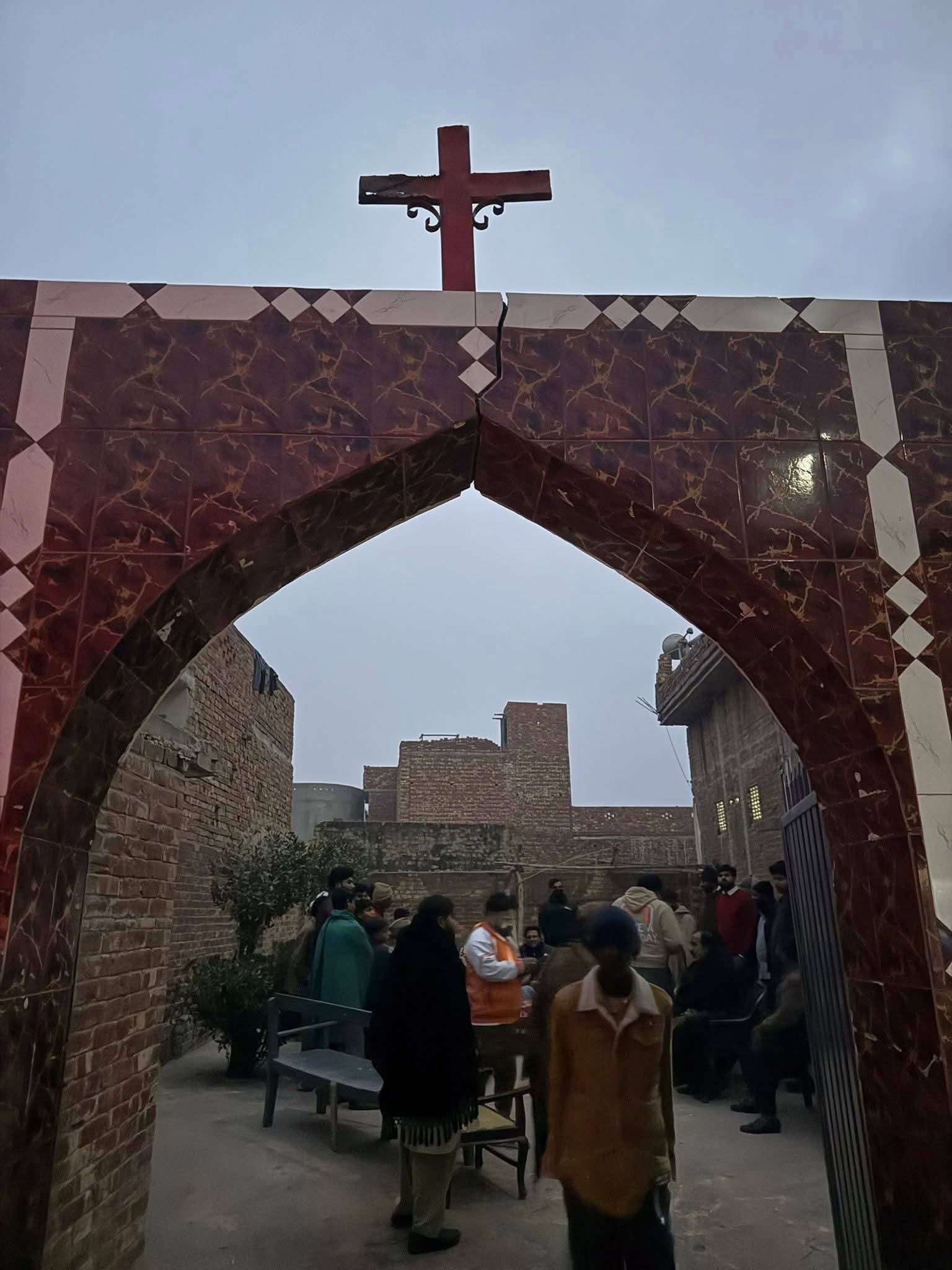
Kot Radha Kishan (AFH Investigative Report) In the quiet pre-dawn hours of January 5, 2026, the Feroz Din Tak Memorial Church in Ghaneeke, Kot Radha Kishan, became the latest symbol of a recurring and unresolved crisis facing Pakistan’s religious minorities. Unknown assailants forced their way into the church, vandalized its interior, desecrated sacred texts, and damaged religious property an act that has reignited painful memories of past failures to deliver justice.
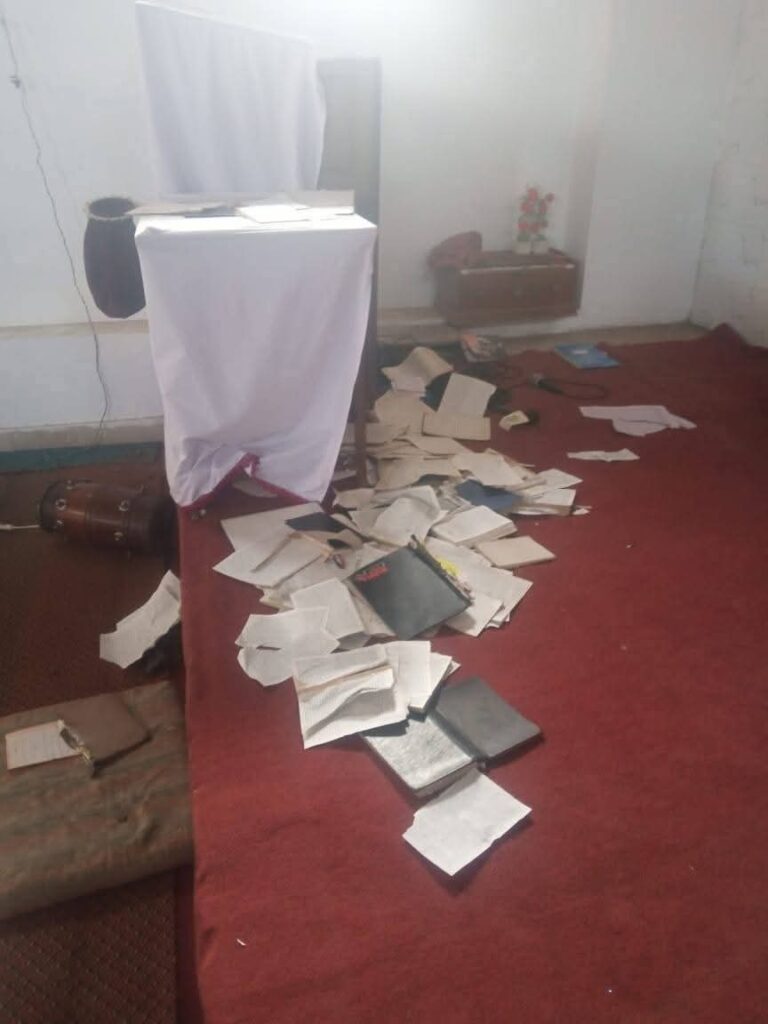
According to official police records, the attack was discovered at approximately 4:00 a.m. when the church was opened for worship. The main entrance grills had been forcibly broken. Inside, the altar and lectern were overturned, flower vases lay shattered, sound equipment was damaged, and holy books were found thrown to the floor, torn and trampled. The deliberate nature of the damage points not merely to vandalism, but to a targeted act against religious sanctity.
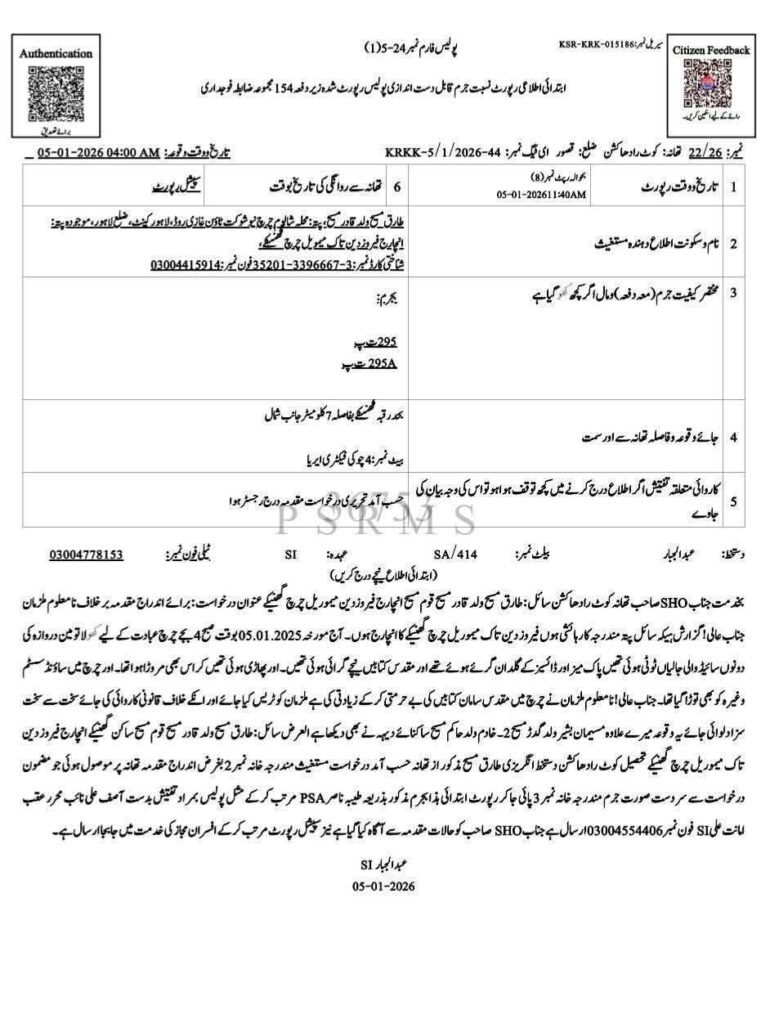
Following a written complaint by the church in-charge, Tariq Masih, son of Qadir Masih, the Kot Radha Kishan Police registered FIR No. 22/26 under Sections 295 and 295-A of the Pakistan Penal Code, which deal with the desecration of places of worship and the deliberate insult of religious beliefs. Two local residents corroborated the account after witnessing the aftermath of the attack.
Police officials state that a suspect has been taken into custody and that investigations are underway. Yet within Pakistan’s Christian community, such assurances are met with cautious doubt shaped by a history in which arrests often fail to translate into convictions.
The shadow of Jaranwala looms large. In that town, 26 churches were burned, homes were looted, and an entire Christian neighborhood was subjected to collective violence. Nearly 28 months later, survivors continue to wait for justice. Despite hundreds of arrests at the time, most suspects were later released, and those widely believed to be the principal instigators remain at large.
That unresolved legacy has eroded public trust. For many, Kot Radha Kishan does not represent an isolated incident but another chapter in a troubling pattern: swift condemnation, procedural action, and eventual silence. Statements of regret are issued. FIRs are registered. Time passes. Accountability fades.
Human rights advocates warn that unless this case is pursued with transparency, independence, and resolve, it risks reinforcing the perception that crimes against religious minorities carry little consequence. “Justice delayed has become justice denied,” a community representative noted. “And impunity sends a message more powerful than any speech.”
Christian leaders say they will continue to remind the state of its unfulfilled promises after Jaranwala, insisting that remembrance is not defiance but a demand for equal citizenship under the law.
As investigators move forward, the central question remains unavoidable: will Kot Radha Kishan mark a turning point or will it join the growing archive of cases where justice was announced but never delivered?
For now, the country watches, once again, as history threatens to repeat itself.